KNOWLEDGE
Paper #19 and Factsheet #32 – challenges and opportunities of corn ethanol in the energy transition
CLARISSA LINS | BRUNA MASCOTTE | TAMARA FAIN | MARIA LUIZA MIRAGLIA
June 2026
Analyzing the implications of this fuel's growth for decarbonization, energy security, and the energy transition
CLARISSA LINS | BRUNA MASCOTTE | TAMARA FAIN | MARIA LUIZA MIRAGLIA
June 2026
Analyzing the implications of this fuel's growth for decarbonization, energy security, and the energy transition
Knowledge production
The materials, authored by Clarissa Lins, Bruna Mascotte, Tamara Fain, Maria Luiza Miraglia and Ana Guimarães, followed an initiative that included extensive engagement process with more than 40 Brazilian and international stakeholders, which culminated in a high-level roundtable conducted in April, 2026.
As corn ethanol continues to expand its role in Brazil’s energy matrix year after year, Catavento set out this initiative to better understand the drivers behind this growth and assess its implications for decarbonization, energy security and the broader energy transition. The study summarizes the findings from the engagements and the research process, exploring the sector’s key opportunities, challenges and the actions needed to strengthen its long-term contribution to a more secure and low-carbon development.
The key messages are:
- Brazilian corn ethanol is well positioned to help address the global challenges of decarbonization and energy security, meeting growing global biofuels demand and offering a scalable solution for the energy transition in traditional uses and hard-to-abate sectors (e.g. aviation, shipping, heavy machinery).
- Its business case, based on intermediate cropping, year-round industrial operations, and valuable co-products, strengthens competitiveness and reliability, while BECCS could upscale its decarbonization role through carbon emissions
- At the same time, a wider adoption of Brazilian corn ethanol globally faces challenges, including concerns over land-use change, links to soy, food vs. fuel debate and biomass sustainability, coupled with limited awareness of the second-cropping model.
- Therefore, to unlock its full potential, Brazilian stakeholders should work on strengthening corn ethanol competitiveness and sustainability narratives, focusing on some key priorities, which can be divided into four groups of recommendations:
- Turn short-term opportunities into a long-lasting outlook;
- Address existing market challenges,
- Reinforce and prove its sustainable case in global markets,
- Improve the market conditions for BECCS development
Check the full study here.
Check the Executive Presentation here.
Check the Factsheet here.
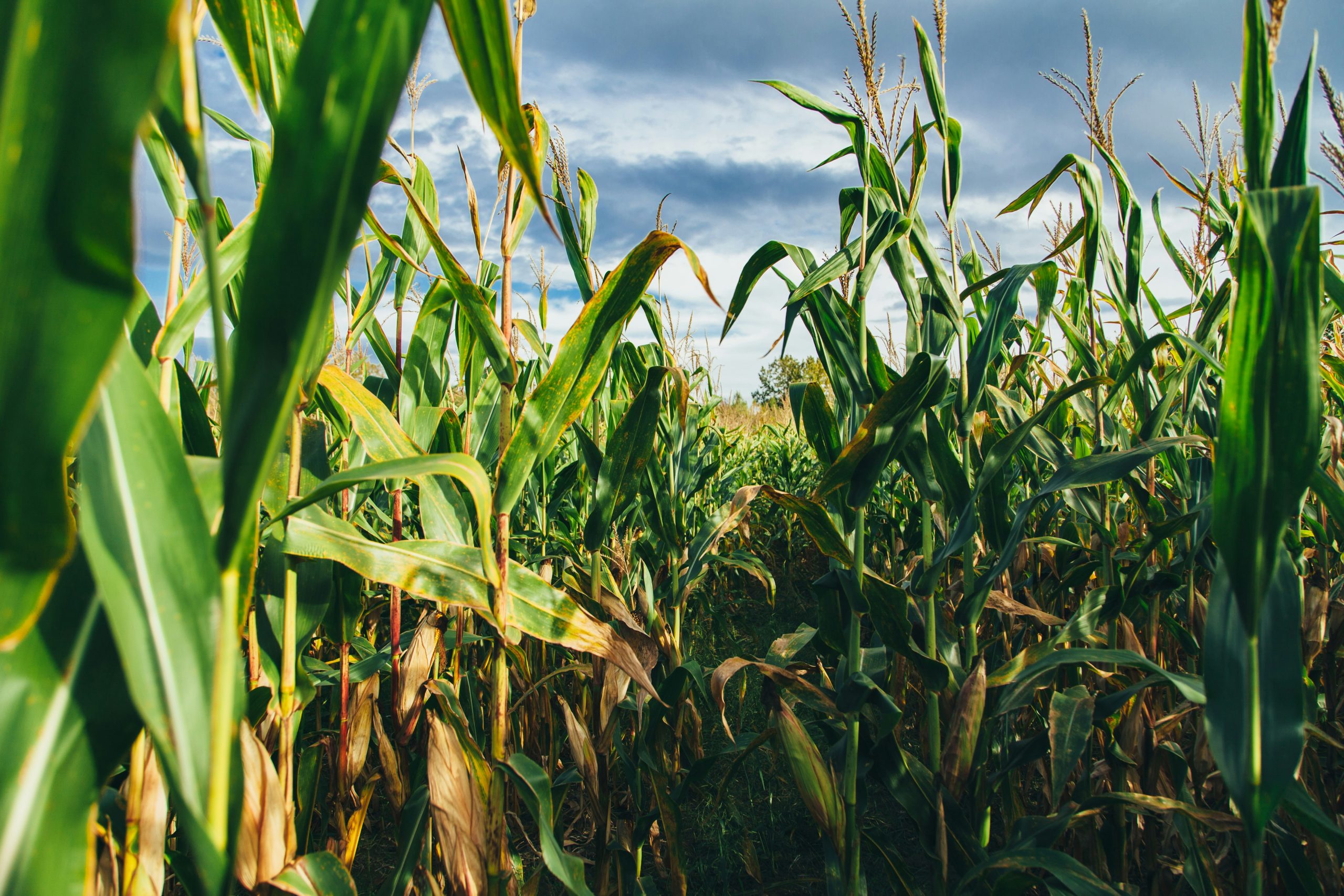
Photo: Jesse Gardner via Unsplash.com